
Tap water
Tap water is water supplied through a tap or valve.

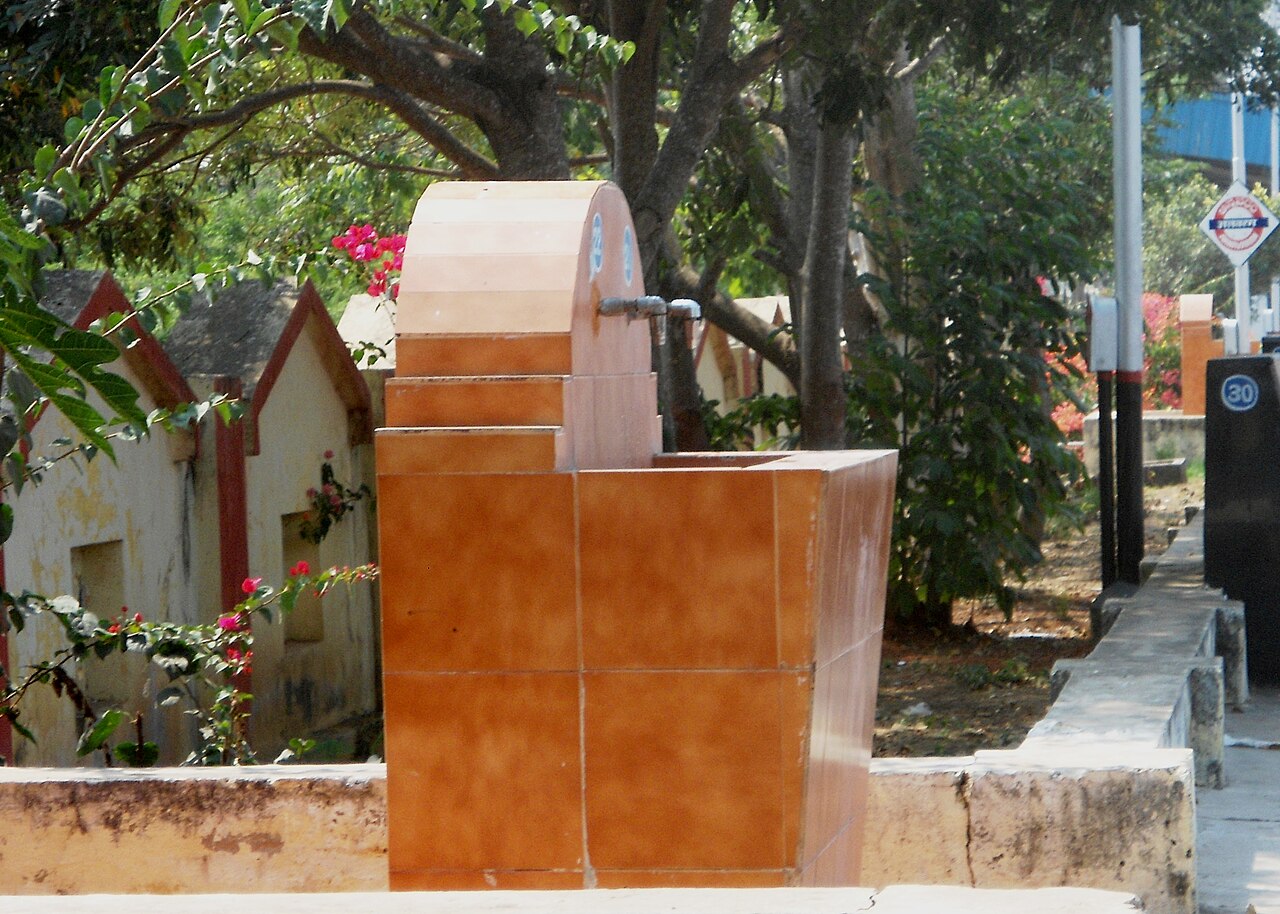
Suzeen Simon · CC BY-SA 4.0
Tap water, also known as running water, piped water, or municipal water, is water supplied through a tap or water dispenser valve. In many countries, tap water usually has the quality of drinking water and is commonly used for drinking, cooking, and washing. Indoor tap water is distributed through indoor plumbing, which has existed since antiquity but became widespread only in the second half of the 19th century in what are now developed countries, and became common in many regions during the 20th century.
- field
- Water supply and sanitation
- known_for
- Primary source of drinking water in developed countries; regulated by governmental agencies
- related_terms
- Piped water, improved water source
- common_uses
- Drinking, cooking, washing
- materials
- Copper, plastic (PE-X, PP-R, PVC), galvanized steel; lead historically used but now avoided due to toxicity
Lore & Background
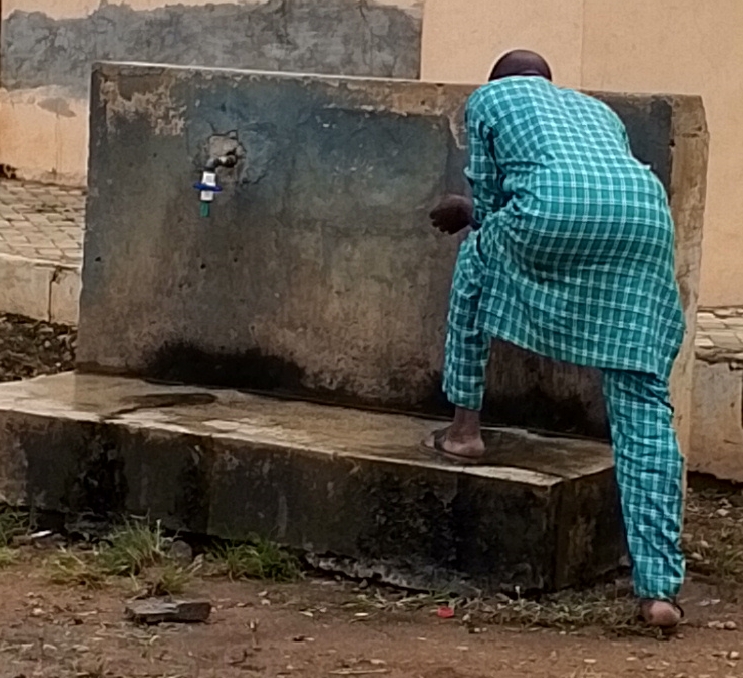
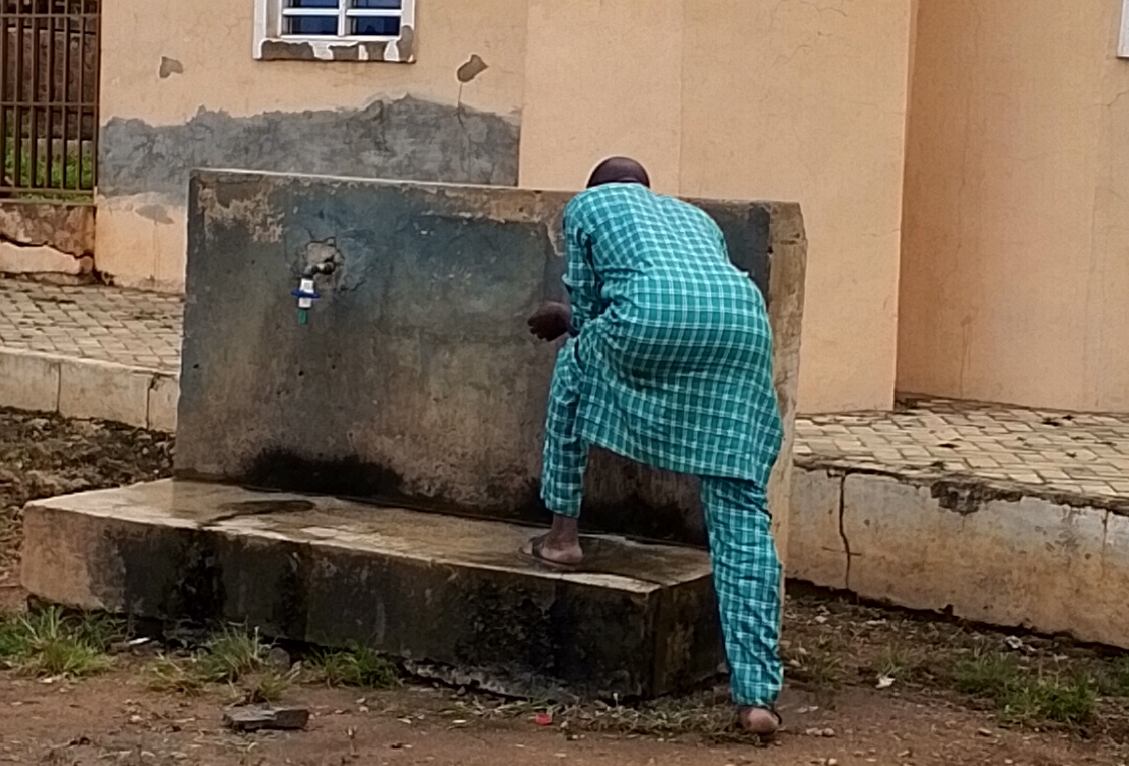
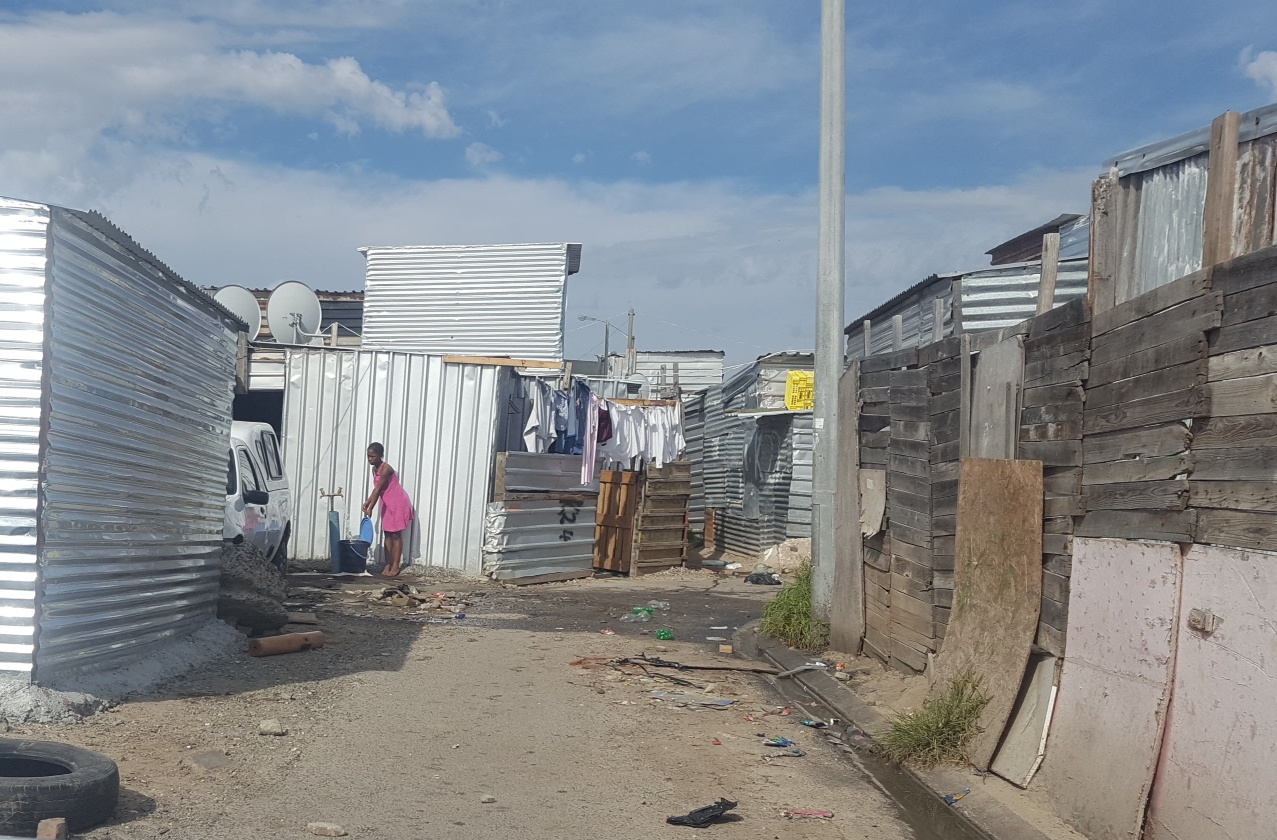
Tap water has been distributed through indoor plumbing since antiquity, but for most of history it was available to very few people. It began to spread in popularity in the second half of the 19th century in what are now developed countries, and became common in many regions during the 20th century. Today, tap water is lacking mainly among people in poverty, especially in developing countries. Governmental agencies commonly regulate tap water quality. The term 'tap water' distinguishes it from other fresh water sources such as rainwater-collecting cisterns, village or town pumps, wells, or water carried from streams, rivers, or lakes.
Reader's Guide
Tap water is a fundamental component of modern water distribution systems, delivering clean and potable water to service points. Its significance lies in its role in public health: historically, contamination of drinking water has been one of the largest sources of human fatalities. Modern plumbing aims to prevent contamination by wastewater, though complicated physical, chemical, and biological factors within distribution systems can still cause contamination. The Joint Monitoring Programme (JMP) by WHO and UNICEF uses the term 'piped water' to describe access to drinking water in developing countries, counting it as an 'improved water source' under Sustainable Development Goal 6, even if not necessarily of drinking water quality. Preferences for tap versus bottled water are guided by taste, perceived safety, and personal habits; negative sensory traits in tap water encourage higher bottled water consumption, contributing to environmental issues such as transportation emissions and buildup of non-degradable plastics.
Did You Know?
- Tap water can sometimes appear cloudy due to air bubbles coming out of solution from changes in temperature or pressure; the cloudiness disappears quickly as the gas is released.
- Lead pipes, installed mostly in the late 1800s in the US, are still common today in the Northeast and Midwest, though most are being replaced with copper or plastic.
- Water flow through a tap can be reduced by inexpensive small plastic flow reducers, aiding water conservation and reducing burden on supply and treatment facilities.
- The movement of water to consumers may require several hours or even days, leading to what is known as 'water age,' which represents the system’s hydraulic retention time.
From Holy Wells to Spa Culture
The story of bottled water stretches back to the earliest human civilizations, where simple vessels were used to carry and store water. However, the deliberate act of bottling water for commercial purposes is generally traced to 1622, when water was first drawn and sealed at the Holy Well in England. What truly ignited public appetite was the European and colonial fascination with spa culture during the seventeenth and eighteenth centuries, as travelers flocked to mineral springs believing the waters could cure a wide range of ailments. Bristol Water, sourced from the Hotwells spa, became one of the earliest examples of a drinking water product bottled and marketed on a broad scale. By 1724, the writer Daniel Defoe observed that Bristol alone hosted more than fifteen glasshouses dedicated to producing bottles, with shipments reaching not only across England but to distant corners of the globe. The American chapter began in 1767, when Jackson's Spa in Boston became the first operation to commercially distribute bottled water on that side of the Atlantic.
Imitation, Innovation, and Industrial Scale
The rapid success of natural spring waters inevitably spawned a parallel market for artificial alternatives. Producers sought to replicate the lively effervescence of genuine mineral springs, and in 1809 Joseph Hawkins received the first United States patent for what was explicitly labeled 'imitation' mineral water. This thread of innovation had earlier roots: Joseph Priestley, who would go on to discover oxygen in 1775, first made his mark in chemistry by dissolving carbon dioxide into water, an achievement that earned him the Copley Medal in 1773. He later partnered with Johann Jacob Schweppe, the founder of Schweppes, to develop aerated waters intended for commercial sale. The nineteenth century brought transformative advances in glassmaking and bottling speed, which dramatically lowered production costs and allowed companies to scale output. Many consumers viewed bottled water as a safer alternative to municipal supplies that could carry cholera or typhoid. By roughly 1850, Saratoga Springs, one of America's most celebrated bottlers, was churning out more than seven million bottles per year.
The PET Revolution and Global Dominance
In the early twentieth century, the introduction of water chlorination in the United States significantly eased public fears about contaminated municipal supplies, and bottled water's popularity waned on this side of the Atlantic. Europe, however, kept the tradition alive, with brands like Perrier—bottled since the nineteenth century and distributed throughout the British Empire—maintaining strong presences. Perrier finally entered the American market in 1977. The true inflection point came in 1973, when DuPont engineer Nathaniel Wyeth patented polyethylene terephthalate, or PET, the first plastic container capable of withstanding the internal pressure of carbonated liquids. PET quickly supplanted glass as the material of choice for single-serving bottles because of its light weight and shatter resistance. The combination of lightweight, disposable packaging and one-way shipping logistics triggered a marketing revolution that, by the late 1990s, had carried bottled water from the United States and Europe to virtually every corner of the globe. Today it stands as the most popular commercial beverage in the United States, commanding roughly a 25 percent share of consumption, compared with 18.7 percent for soft drinks.
Environmental Scrutiny and the Spectrum of Water
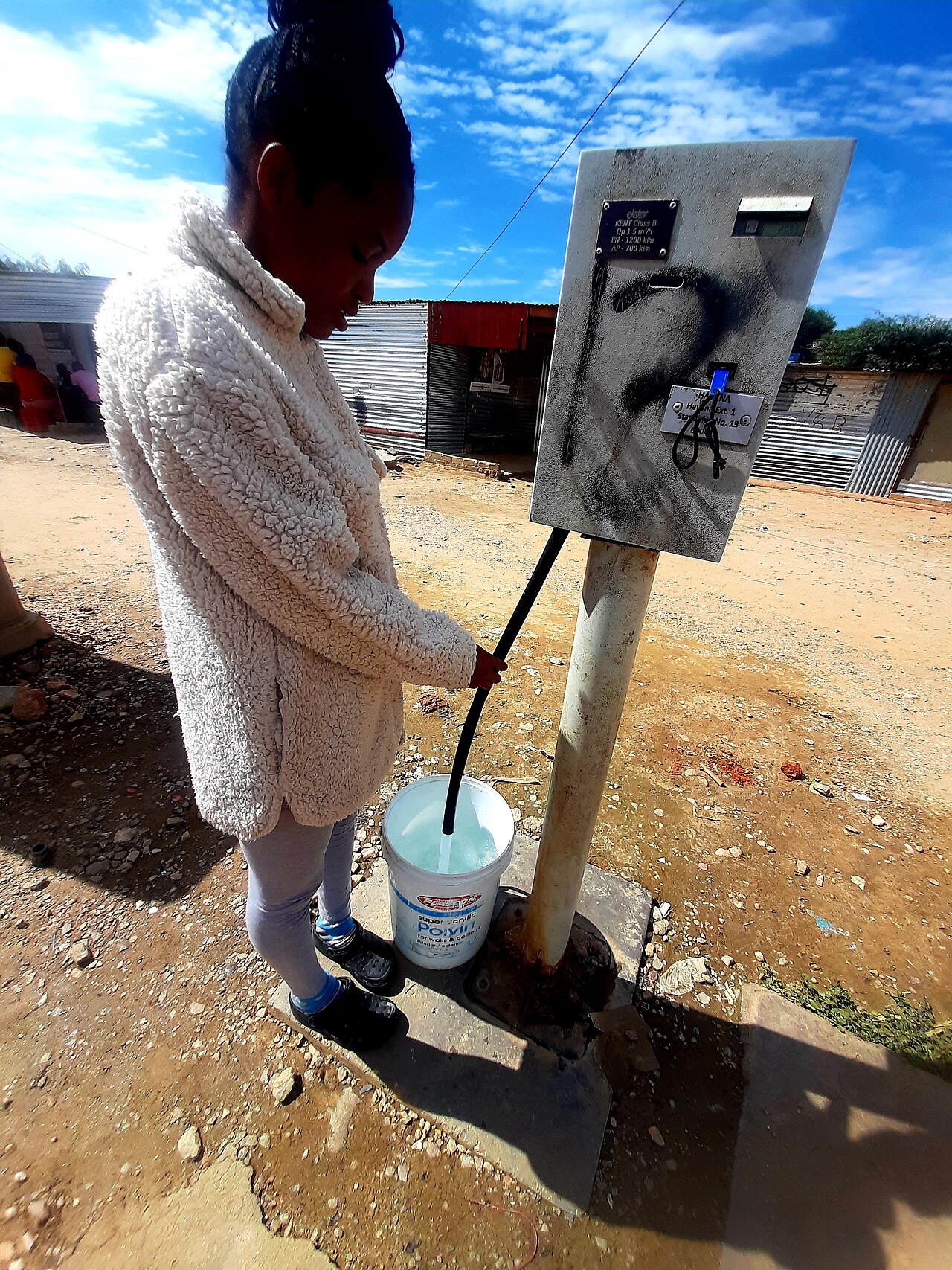
Growing awareness of the environmental footprint of single-use plastic—spanning both the energy-intensive manufacturing process and the sheer volume of discarded bottles—has prompted widespread calls for more sustainable practices across the industry. Some manufacturers have responded by offering purified water in metal cans as an alternative to plastic, aiming to reduce exposure to microplastics and residual chemicals. The bottled water category itself is remarkably diverse. Consumers can choose from alkaline water with elevated pH levels, artesian water drawn from confined aquifers under natural pressure, mineral water sourced from geologically protected underground formations where no additives are permitted, purified water produced through distillation or reverse osmosis, sparkling water retaining its original carbon dioxide, spring water flowing naturally from underground formations, sterile water meeting pharmacopoeia standards, and well water tapped from bored or drilled holes. In cities around the world, vending machines now filter local tap water and dispense it into customers' own reusable containers, offering yet another path toward reducing single-use packaging.
Gallery

Frequently Asked Questions
What exactly is tap water?
Tap water is the water that flows out of a faucet or valve in a home or building, delivered through a network of pipes. It goes by several other names, including running water, piped water, and municipal water.
What do people typically use tap water for in the kitchen?
In most developed countries, tap water is the default source for drinking, cooking, and washing dishes. It is generally treated to meet drinking-water quality standards set by local authorities.
What materials are tap water pipes made of?
Modern plumbing most commonly uses copper, plastic variants such as PE-X and PP-R, or PVC, while older installations may still contain galvanized steel. Lead was once a standard pipe material but has been phased out because of its toxicity.
How long has indoor tap water been around?
Basic indoor plumbing traces back to antiquity, but widespread tap-water access in today's developed nations really took hold in the second half of the 19th century. By the 20th century, piped water had become a standard feature across many regions of the world.
Who oversees the quality of tap water?
Governmental agencies in most countries set and enforce safety standards to ensure tap water is fit for consumption. This regulatory framework is what makes tap water the primary drinking-water source in developed nations.
More in Food & Drink 1-17
Spotted an error? Know more?
This is a living reference — every entry is fact-audited, and reader corrections feed straight into our audit queue. Suggest an edit · See this site's audit record